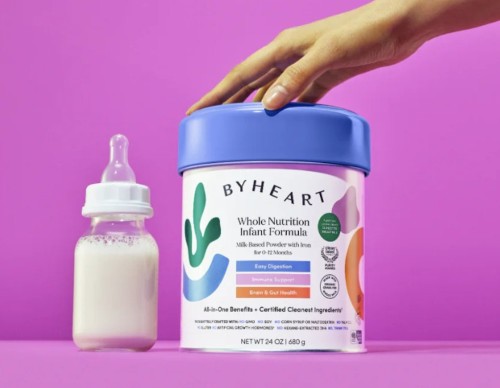
The FDA has ordered several major American retailers to remove Byheart products from sale, a luxury infant formula brand, withdrawn from the market due to the risk of infant botulism. After verifying over four thousand inspections at stores distributed across thirty-six states, the agency found that the contaminated formula remained still available for consumption. In some cases it remained on the shelves for more than twenty-one days, in one hundred seventy-five locations simultaneously.
On November 8 the manufacturer launched the voluntary recall. Three days later it extended it to all Whole Nutrition products of the brand. The FDA, the CDC, the California Program for the treatment of infant botulism and local partners coordinated the outbreak investigation. However, inspections carried out in the field revealed that distributors were not respecting the removal timelines from commerce.
Marty Makary, FDA Commissioner, emphasized that food safety is a shared responsibility, especially when risks involve infants. Retailers covered by warning letters have a legal obligation to immediately remove dangerous products during a public health emergency. The agency has ordered the chains to respond within fifteen days, illustrating the concrete measures taken to correct the violations or the reasons why they believe they have not violated the law.
Similar situations have already occurred. Last year the FDA sent a warning letter to a retailer that had not adequately removed from its shelves the WanaBana apple cinnamon puree pouches recalled for lead contamination. The agency believes that this is a structural problem in the final phase of the distribution chain.
Today's letter fits into a broader strategy to modernize recall systems. Over the course of the year the agency has already urged food supply chain leaders to improve communications on recalls, especially for infant formula and foods for children. The objective is to transform the way the sector and institutions work together to collect, analyze and disseminate critical information on recalls.
In the Operation Stork Speed program the FDA continues to ensure that caregivers of infants and young children can have confidence in the safety and availability of infant formula. From November 26 the agency has not received reports of recalled formula found on shelves.
Glossary
- Infant botulism: a serious infection caused by toxins produced by the bacterium Clostridium botulinum. It primarily affects babies under twelve months old and develops after ingestion of contaminated food products.
- Voluntary recall: a procedure launched by a manufacturer or distributor to withdraw potentially unsafe products from the market. Unlike mandatory recalls, this action is initiated by the company itself without FDA enforcement orders.
- Operation Stork Speed: a collaborative federal program between the Department of Health and Human Services and the FDA designed to increase the availability of safe, dependable, and nutritionally adequate infant formula while maintaining consistent supply and rigorous quality standards.
- Supply chain: the interconnected network of producers, wholesalers, distributors, and retailers involved in moving a product from its manufacturing source to the consumer's hands.
U.S. Food and Drug Administration – FDA Takes Action to Improve Recall Effectiveness Following Infant Botulism Outbreak Investigation Linked to ByHeart Infant Formula (December 15, 2025). https://www.fda.gov