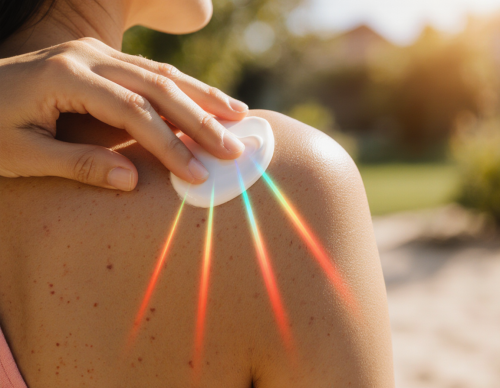
The FDA said yes to bemotrizinol. It's a new sunscreen filter—never approved in the States before, but it's been selling overseas for years. The agency announced it today, December 11, as part of a broader push to speed up how it approves sunscreens. Is that the whole story? Not really. There's more to it than that.
DSM Nutritional Products wants it added to the OTC monograph. That's the document listing everything allowed in over-the-counter sunscreens. Top concentration: six percent. The FDA looked at the data and found bemotrizinol blocks both UVA and UVB rays, doesn't absorb much through the skin, and barely causes irritation. The numbers check out.
Marty Makary, the FDA commissioner, didn't mince words on this one: "The agency moved way too slowly." He's not wrong. While bemotrizinol was already on sale elsewhere, Americans couldn't touch it. European and Asian shoppers had options we didn't. That's the bottom line.
So how's this actually work? An OTC sunscreen doesn't need individual approval for every product as long as it sticks to the monograph rules. Right ingredients, right doses, stated uses. That's all there is to it. Want to add something new? File a request and the FDA takes a look. It's not quick usually, but the CARES Act made things move faster over the last few years.
Karen Murry heads up the Nonprescription Drugs division. She said the reforms in the CARES Act have streamlined the whole monograph process, and that opens the door. "We look forward to working with other companies on bringing products containing other new active ingredients to market for a wide array of conditions in multiple therapeutic areas, in a much more timely fashion than was possible in the past." It's not just sunscreens anymore—this applies across the board.
Right now the FDA's asking for public feedback. This isn't final yet, just a proposal. Assuming the comments don't raise major red flags and the science holds, they'll issue the final order and bemotrizinol goes into Monograph M020. That's it.
Why should anyone care? Broad-spectrum sunscreens at SPF 15 or higher cut down on sunburns, skin cancer, sun damage. More options means people can find what works for them. If the products actually work, that's a win for public health. Straightforward stuff.
Technical Information
DSM Nutritional Products LLC is requesting approval, with a cap of six percent concentration. Bemotrizinol blocks both UVA and UVB, absorbs minimally through the skin, and causes irritation rarely. It'll be safe for adults and kids six months and up. You can find the proposal details on the OTC Monographs @ FDA website. The FDA's taking comments now, and after that they'll decide whether to add bemotrizinol to Monograph M020. If they do, it'll be one of the first brand-new sunscreen ingredients the agency has approved in a long time.
Glossary
- Bemotrizinol: a newer type of UV filter that stops both A and B rays, doesn't soak into skin much, and rarely irritates.
- OTC (Over The Counter): drugs and products you can buy without a prescription, straight off the shelf.
- OTC Monograph: the rulebook that spells out which ingredients, doses, and uses are okay for over-the-counter drugs in a given category.
- GRASE: short for "generally recognized as safe and effective"—the stamp the FDA puts on active ingredients that have been tested and cleared.
- SPF (Sun Protection Factor): the number that tells you how much protection a sunscreen gives against burning. SPF 15 is solid, SPF 30 and up is stronger.
FDA Press Announcement – FDA Proposes Expanding Sunscreen Active Ingredient List (December 11, 2025).