Every December 10, the world observes International Human Rights Day, a moment to reflect on the importance of fundamental rights for every individual. In 1948, the United Nations General Assembly established this day to celebrate the adoption of the Universal Declaration of Human Rights, a pivotal step in recognizing the rights of every person. More than a commemoration, this day is a call to ensure freedom, equality, and dignity worldwide. Each year, cities and countries unite to evaluate progress and recognize the work still required to protect human rights.
Celebrations Across the Globe: From the EU to the U.S., and Africa
Human Rights Day is celebrated in diverse ways around the world, tailored to local traditions and priorities. In Europe, public institutions and non-governmental organizations (NGOs) promote cultural and educational events. In Brussels, for instance, the European Commission hosts conferences on this theme, while in Italy and other parts of the continent, exhibitions, theater performances, and awareness campaigns are organized.
In the United States, the day often focuses on civil rights, particularly highlighting issues affecting minorities and marginalized groups. In Africa and Asia, celebrations blend with local artistic traditions, combining dance, music, and public discussions. In Latin America, this day draws attention to human rights violations still present in many countries, encouraging governments and public opinion to take action.
Human Rights Day serves as both a commemoration and a call to action, emphasizing the daily commitment needed to uphold freedom and justice worldwide.
What Are Human Rights?
Human rights are the essential rights every person is entitled to, rooted in their dignity and the respect they deserve. The Universal Declaration of Human Rights, adopted in 1948 by the United Nations, outlines fundamental principles to protect life, liberty, education, health, and the right to a fair legal process. These rights are indivisible and belong to everyone, regardless of ethnicity, gender, religion, nationality, or social status.
However, implementing these rights remains a complex challenge. Many nations struggle to guarantee them due to persistent conflicts, poverty, and discrimination.
Freedom of Expression: A Cornerstone of Democracy
The right to expression is one of the most fundamental and vital for individuals, as it enables the free sharing of thoughts, opinions, and ideas without fear of censorship or repression. In a democracy, this right is indispensable, allowing citizens to engage in political and social life, influence change, and participate openly in public debate. Without freedom of expression, civil participation would be severely restricted, hindering the growth of a healthy and informed society.
Unfortunately, in many countries such as Iran, China, and Turkey, freedom of expression is gravely undermined. Laws in these nations often restrict media, censor online content, and persecute individuals who express dissenting opinions. In such circumstances, those who speak out to defend rights or expose abuses face severe repercussions, including imprisonment and personal persecution.
In recent years, the rise of social media has introduced new challenges. While these platforms have amplified expression, they have also facilitated the spread of disinformation and fake news, creating confusion and obstructing the flow of accurate, verified information. This makes it harder for societies to distinguish truth from falsehoods, undermining informed decision-making.
Despite these challenges, the defense of freedom of speech remains a global objective, championed by organizations like Reporters Without Borders. These groups tirelessly work to protect journalists, bloggers, and advocates for free expression, addressing increasingly complex challenges in an evolving digital world.
Children's Rights: A Top Priority
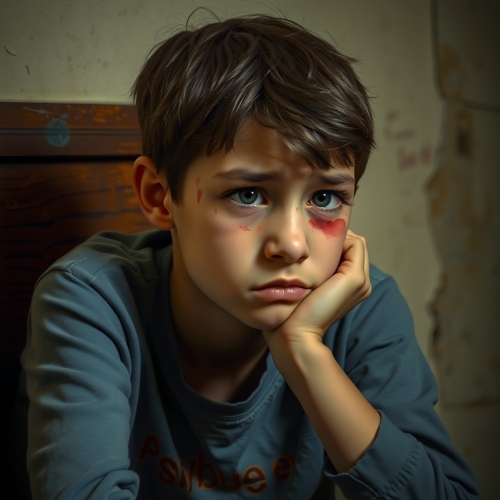
Children's rights are enshrined in the Convention on the Rights of the Child, adopted in 1989. This treaty asserts that every child has the right to a healthy life, quality education, and protection from abuse and exploitation. Yet, children worldwide remain vulnerable, suffering from child labor, poverty, and violence.
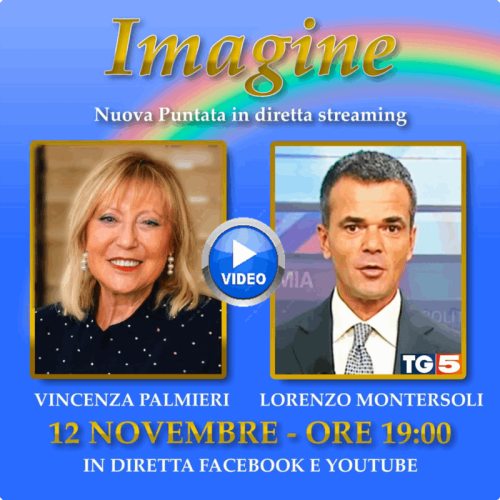
In Italy, the dedication to children's rights is exemplified by figures such as Professor Vincenza Palmieri, a prominent candidate for the title of Human Rights Ambassador. Palmieri has devoted her career to promoting children's well-being and has authored numerous books on the subject, including “We Are Kids, Not Diagnoses: A Human Approach to the Future of Childhood.” Her foundation, the INPEF (National Institute of Family Pedagogy), focuses on safeguarding children through legal and psychosocial support. The organization advocates family education as a crucial tool for children's welfare.
Activism and Awareness: The Role of Influencers
The issue of human rights has gained increasing attention on social media, thanks to activists and influencers who raise awareness among younger audiences. For example, Paolo Roat is an activist fighting against the separation of children from their families. Roat uses online platforms to appeal to public opinion, advocating for greater protection and safeguards for minors and challenging legal practices that violate children's rights.
Through initiatives like these, younger generations are empowered to drive real change. Music also plays a vital role in spreading messages of freedom and justice. The recently released track, “Voice of Freedom Lives On,” celebrates freedom of expression and children's rights. With its modern and engaging sound, the song aims to inspire young audiences to value these rights. Listen to it on YouTube here and spread the message!
Voice of Freedom Lives OnGlossary
- Human Rights: Fundamental and inalienable rights of every individual.
- Universal Declaration of Human Rights (UDHR): A document drafted by the United Nations in 1948 outlining the rights of every individual.
- Convention on the Rights of the Child (CRC): An international treaty defining fundamental children's rights.
- INPEF (National Institute of Family Pedagogy): An organization dedicated to child welfare through legal and psychosocial support.
- Social Media: Online platforms enabling user-generated content and sharing.